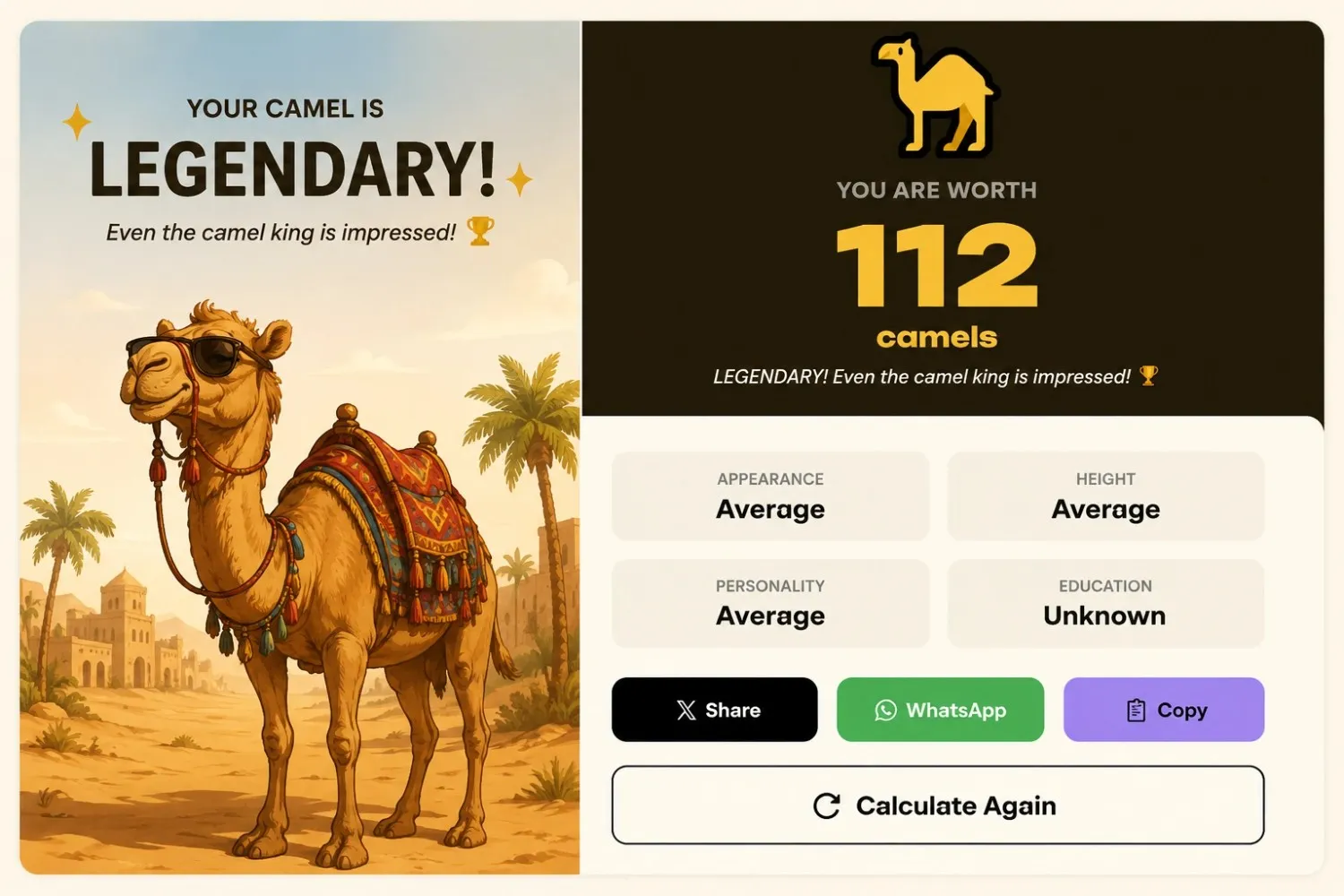
What is the “Camel Calculator” Meme?

- Published on
- Last updated
- Reading time
- 4 min read
You've probably scrolled past it already. Someone posts a number, captions it “camel worth,” and tags their partner or their best friend underneath. Maybe you laughed and moved on. Maybe you sat there wondering how a joke about livestock somehow turned into an actual quiz format with a result screen and everything.
Either way, you're in the right spot. Here's where the camel calculator meme actually comes from, why it caught on the way it did, and what's really going on behind that number.
Where the Camel Joke Actually Started
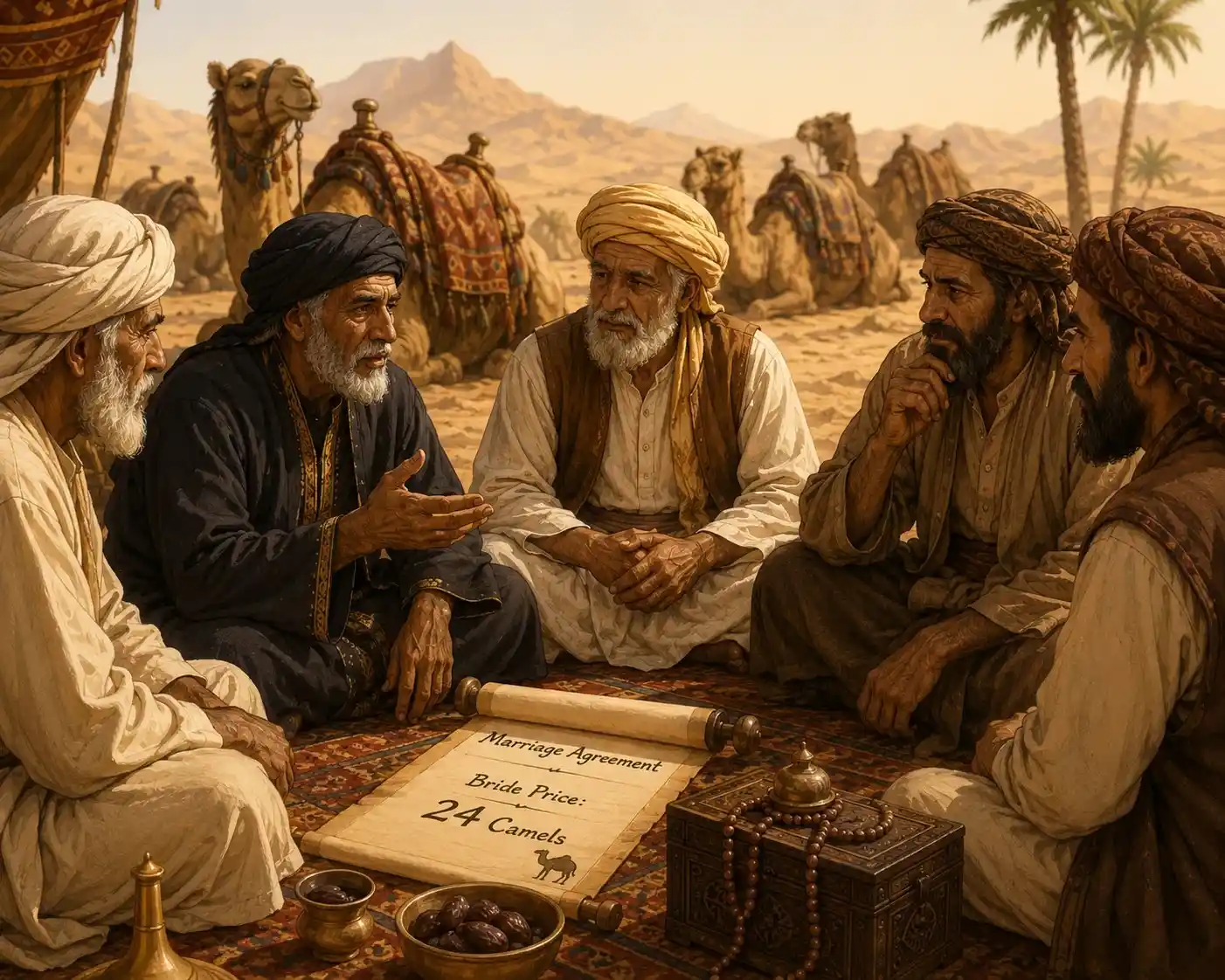
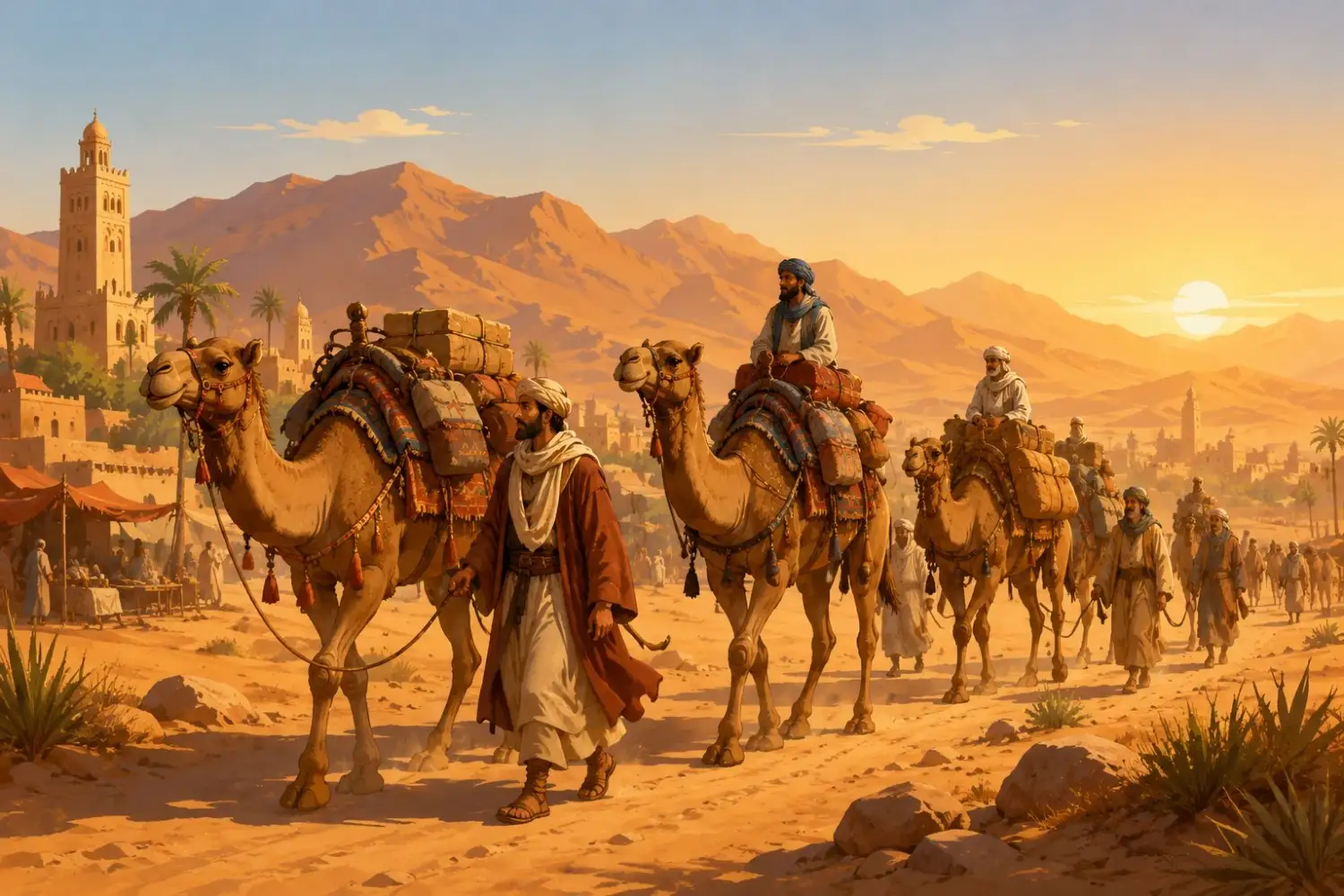
The “I'd trade you for camels” line didn't appear out of nowhere. It's a wink at something that's genuinely part of marriage customs in several real cultures, mostly across the Middle East, North Africa, and parts of Central Asia. In many of these places, a payment moves from one family to another as part of getting married, and historically, livestock, camels included, has often made up that payment. It's not some fringe, made-up idea either: marriage payments in some form are still in use across roughly three-quarters of countries worldwide, just structured differently depending on where you are. If you want deeper context on how that actually works in practice today, marriage payments, which are still common in many countries, are a solid starting point.
That backstory is exactly why the joke landed in the first place. Nobody cracking a camel joke today is talking about an actual negotiation between families. They're borrowing a reference everyone half-recognizes and using it for a punchline: “You'd cost your partner this many camels.” All the cultural weight, none of the actual stakes.
From Old Joke to Internet Format
Jokes rarely stay one-liners online for long. Somebody always turns them into a game. At some point, the camel line stopped being a comment people made in passing and became a structure: answer a handful of quick questions, get a number, and send it to someone. That's basically the entire format you're seeing now, just dressed up in different colors depending on which site you land on.
This works the same way most “rate my” trends have worked for years. People love getting handed a number, even one that means absolutely nothing. Once that structure existed, it traveled fast, mostly because it takes about ten seconds to finish and ten more to forward to a friend.
If you're curious about the math behind your own score, we've broken down how a quiz like this actually turns your answers into a final camel count.
Why the Meme Keeps Spreading
It Works as a Quick Inside Joke
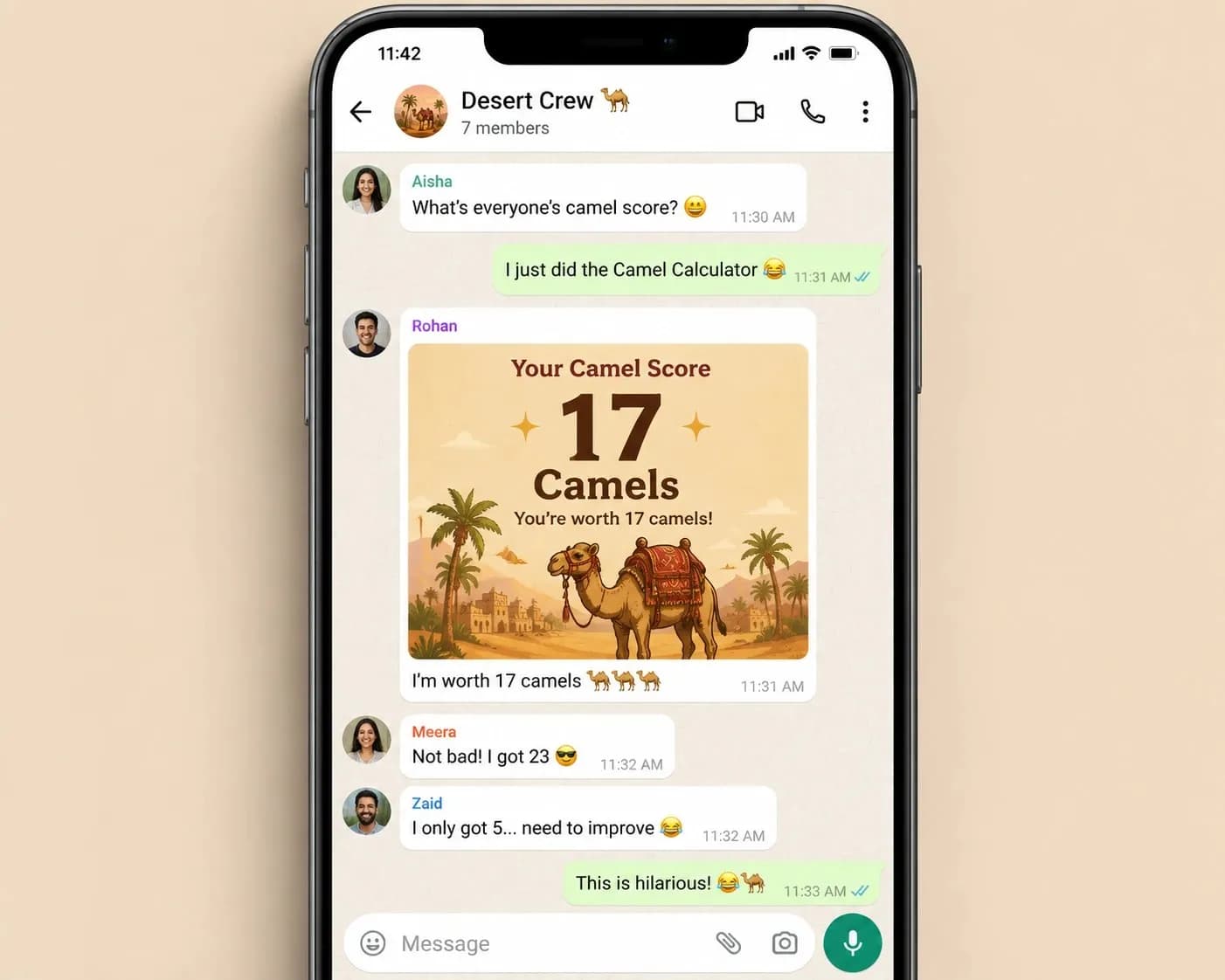
Tagging someone with a camel score takes almost no effort and gets an instant reaction. You don't have to explain the joke, because most people get the gist of it even if they couldn't tell you where it came from. That's exactly why it shows up so often in group chats, comment sections, and quick replies.
Everyone Wants Their Own Number
Once one person in a friend group posts a score, the rest want theirs too. That's the same pull behind every quiz that ends in a number: a little curiosity mixed with a little competitiveness. Camels just happen to be the unit this particular joke landed on.
Is the Camel Calculator Meme Based on Anything Real?
Sort of, and also not really. The cultural reference is real, and livestock-based marriage payments have existed and still exist in parts of the world today. The quiz part is a different story. There's no panel of experts behind your number, no formula tied to actual customs, and no science holding any of it up. It's a fun callback to wear a calculator costume.
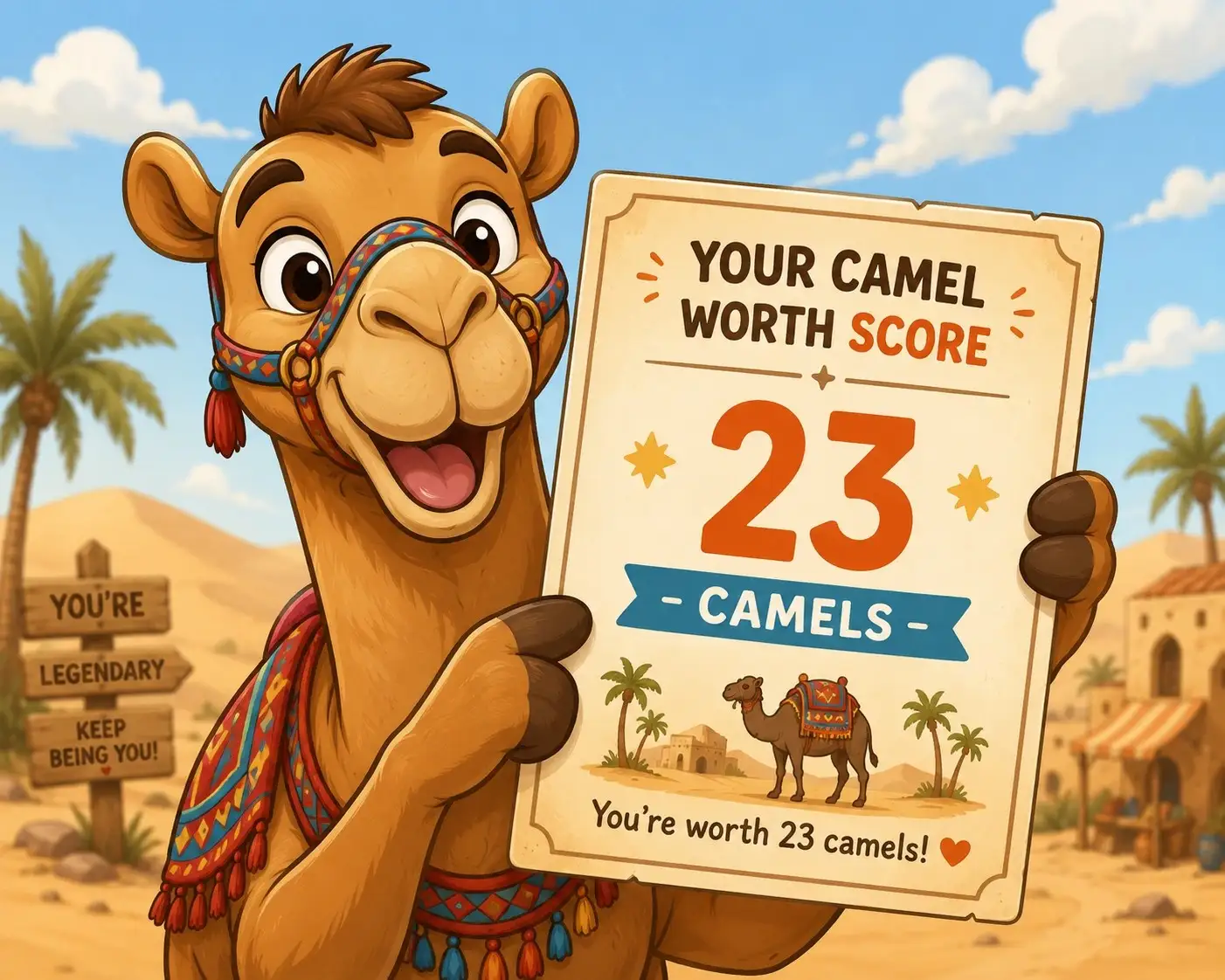
That's worth remembering before anyone takes their score personally. A low number says nothing about who you are, and a high one doesn't say much more. It's a joke with a number attached, not a verdict on anyone.
A Final Word
The camel calculator meme is a small, harmless joke with surprisingly deep roots and a short online attention span. It borrows from something that's genuinely part of certain cultures, flips it into something silly, and spreads because it costs nothing to share and even less to laugh at. Next time someone tags you with a camel score, you'll know exactly where the joke came from and why it's stuck around this long.
Frequently Asked Questions
What is the camel calculator meme based on?
It loosely borrows from real marriage-payment customs that still exist in parts of the world, where livestock has historically counted as a recognized unit of value. The quiz itself isn't pulled from any actual tradition or formula; it's a joke dressed up as a calculator.
Why do people joke about being “worth” a certain number of camels?
Mostly because it's an easy, harmless way to tease a friend or a partner. The phrase is widely recognized enough that the joke lands without context, and putting an actual number on it makes it instantly shareable.
Is my camel score accurate or scientific in any way?
Not even slightly. It doesn't have any real-world data behind it, no expert review, no science involved. It is built purely for laughs, and your score can easily change if you take the quiz again.
Did the camel joke originate on the internet or elsewhere?
The cultural reference is much older than the Internet. Livestock-based marriage payments have a genuine history in parts of the world. The internet just picked up that reference and reshaped it into a shareable quiz format.
Can I find out the price of my friend or partner's camel, not mine?
Definitely. Most people use it to compare scores with a partner, sibling, or friend group. Just keep in mind the result is for laughs, not for judging anyone's actual worth.